Things to Ask a Demolition Company About Removing Concrete Slabs
Understanding the process of removing concrete slabs is essential for any construction or renovation project. Concrete slabs often serve as foundational elements for structures such as patios, driveways, garages, and commercial buildings. Their removal is not only labor-intensive but also requires careful planning to ensure safety, minimize disruption, and control costs. Working with a reputable demolition company is crucial, as their expertise directly impacts the efficiency and outcome of your project. By asking the right questions, you can make informed decisions, reduce potential risks, and ensure that your project proceeds smoothly from start to finish. This guide provides key considerations and questions to discuss with a demolition company before beginning any concrete removal project.
1. Company Experience and Credentials
1.1 Previous Projects and References
One of the first things to consider when hiring a demolition company is their experience with projects similar to yours. Concrete slab removal can vary widely in complexity depending on factors like size, thickness, location, and surrounding structures. A company with extensive experience will understand the challenges that may arise and have proven strategies to address them. Ask the contractor for references or examples of completed projects. Speaking directly with previous clients can provide insight into the company’s reliability, professionalism, and efficiency. Additionally, online reviews and ratings can offer a broader perspective on customer satisfaction and potential areas of concern. Evaluating past work is an important step in choosing a contractor you can trust.
1.2 Licensing, Certification, and Insurance
Ensuring that the demolition company is properly licensed and certified is essential. Licenses confirm that the company meets local and state regulations, while certifications indicate that staff members have received appropriate training in demolition techniques and safety protocols. Beyond legal requirements, insurance coverage is critical. Accidents can occur during concrete removal, potentially causing property damage or injuries. A well-insured demolition company protects not only its workers but also your property and any third parties. Companies that maintain comprehensive insurance demonstrate professionalism and a commitment to responsible operations. Always request proof of licenses, certifications, and insurance before hiring.
1.3 Employee Training and Safety Protocols
The skills and training of a demolition company’s employees directly influence the safety and success of your project. Ask about the company’s training programs, safety certifications, and standard operating procedures for slab removal. Trained crews are better equipped to handle challenges such as uneven surfaces, hidden utilities, or adjacent structures. Inquiring about safety protocols also helps you understand how the company mitigates risks to workers and property. A contractor with a strong focus on training and safety will typically complete projects more efficiently while minimizing accidents or delays.
1.4 Industry Affiliations
Membership in professional organizations or industry associations can be a sign of a company’s credibility and dedication to high standards. Accredited demolition companies often participate in ongoing education, stay current on best practices, and adopt new technologies that improve efficiency and safety. Partnering with such a company adds a layer of confidence, as these affiliations reflect a commitment to quality, compliance, and continuous improvement.
2. Project Assessment and Planning
2.1 Site Inspection and Customized Planning
A comprehensive site inspection is critical before any concrete slab removal. The demolition company should evaluate the project site to understand challenges such as terrain, slab dimensions, surrounding landscaping, and accessibility. Every project has unique requirements, and a one-size-fits-all approach rarely works. Ask how the company will develop a customized plan based on your specific needs. According to Lawn Love, concrete slabs are typically between 4 and 12 inches thick, but demolition contractors often use 4 to 6 inches as the standard thickness for removal. Proper assessment of slab thickness, reinforcement, and surrounding conditions ensures the project is executed safely, efficiently, and without unnecessary damage to nearby structures.
2.2 Timeline and Coordination
Time management is essential in demolition projects, especially when slab removal is part of a larger construction or renovation plan. Ask for an estimated project timeline and how potential delays will be handled. A reliable demolition company will provide realistic timeframes based on project complexity, weather conditions, and resource availability. If other contractors or construction teams are involved, coordination becomes even more important. Discuss how the company plans to collaborate with other teams to prevent scheduling conflicts and maintain workflow continuity. Clear communication and realistic scheduling help avoid delays and ensure a smooth transition to subsequent project phases.
2.3 Resource Allocation
Efficient resource management can significantly impact the speed and quality of concrete slab removal. Ask about manpower, equipment, and tool allocation for your project. Adequate staffing ensures that work progresses consistently without overworking crews, while proper use of machinery maximizes productivity and safety. Discussing these details demonstrates how the company prioritizes your project and ensures that all necessary resources are available when needed. Understanding resource allocation also provides insight into potential bottlenecks or limitations before the project begins.
3. Methods and Equipment Used
3.1 Demolition Techniques
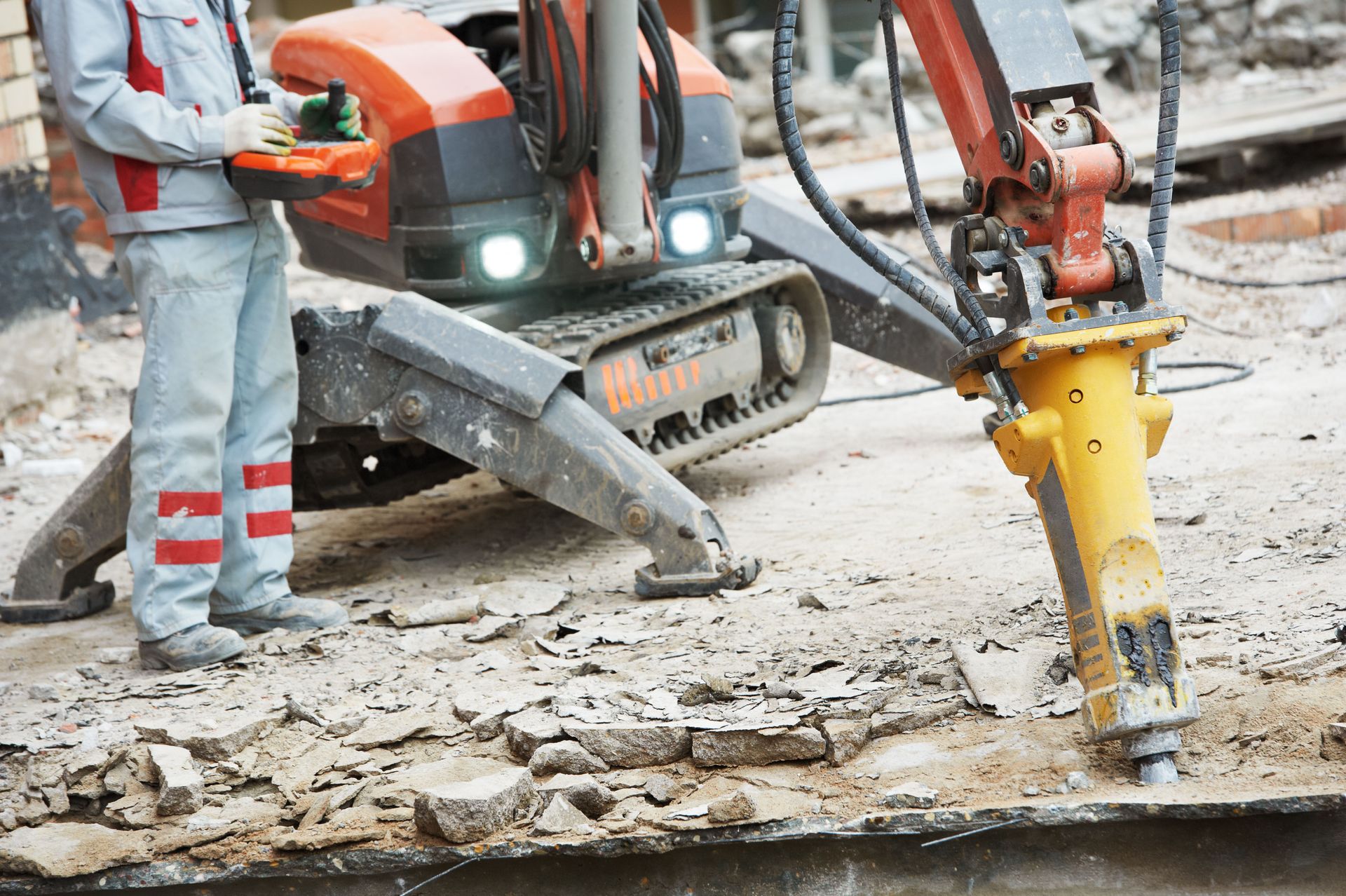
There are multiple techniques for concrete slab removal, ranging from manual labor with jackhammers to advanced mechanical methods using heavy equipment. The choice of technique depends on the slab’s thickness, size, location, and surrounding structures. Some methods are more precise and less disruptive, while others are faster but require careful handling to avoid collateral damage. Asking a demolition company about their preferred techniques helps you understand how they approach efficiency, safety, and cost management. Contractors often adjust methods based on site conditions and project requirements to achieve the best results.
3.2 Machinery, Tools, and Maintenance
The equipment used in demolition has a direct effect on project efficiency, safety, and quality. Modern, well-maintained machinery can make slab removal faster, safer, and more precise. Ask about the types of tools and equipment that will be used and how they are maintained. Regular inspections and upkeep of machinery reduce the likelihood of breakdowns, which can delay the project and increase costs. A company that invests in its equipment demonstrates professionalism and a commitment to high-quality work.
4. Cost and Budget Considerations
4.1 Detailed Estimates and Payment Terms
Request a detailed cost estimate that includes labor, equipment, disposal fees, and any additional charges. Transparency in pricing helps you plan your budget accurately and prevents unexpected expenses. Ask about payment terms, deposits, and schedules to ensure financial arrangements align with your budget and project timeline. Understanding the full cost structure allows for easier comparison among demolition companies.
4.2 Cost-Saving Opportunities
Discuss potential ways to reduce costs without compromising safety or quality. For example, adjusting timelines, optimizing resource allocation, or selecting alternative disposal methods can result in savings. Experienced demolition companies may provide insights into cost-effective approaches specific to your project. Addressing these opportunities early ensures efficient budget management.
4.3 Handling Unexpected Expenses and Contractual Safeguards
Even with careful planning, unforeseen challenges can arise, leading to additional costs. Ask how the company manages contingencies and communicates potential overruns. Review contracts for clauses related to cost adjustments, penalties for delays, and performance guarantees. Clear contractual safeguards protect your interests and ensure accountability throughout the project.
Conclusion
Selecting the right demolition company is essential for safe, efficient, and cost-effective concrete slab removal. By asking about experience, licensing, planning, methods, safety, costs, and environmental practices, you gain confidence that your project will proceed smoothly. Thorough discussions minimize risks, optimize efficiency, and ensure regulatory compliance. A knowledgeable and well-prepared demolition company empowers you to complete your project successfully while prioritizing safety, sustainability, and quality workmanship. Taking the time to ask these questions and evaluate your options lays the foundation for a seamless demolition process and a successful transition to the next phase of your construction or renovation project. For more information, contact Ysidro Excavating today.
Share On: